Description
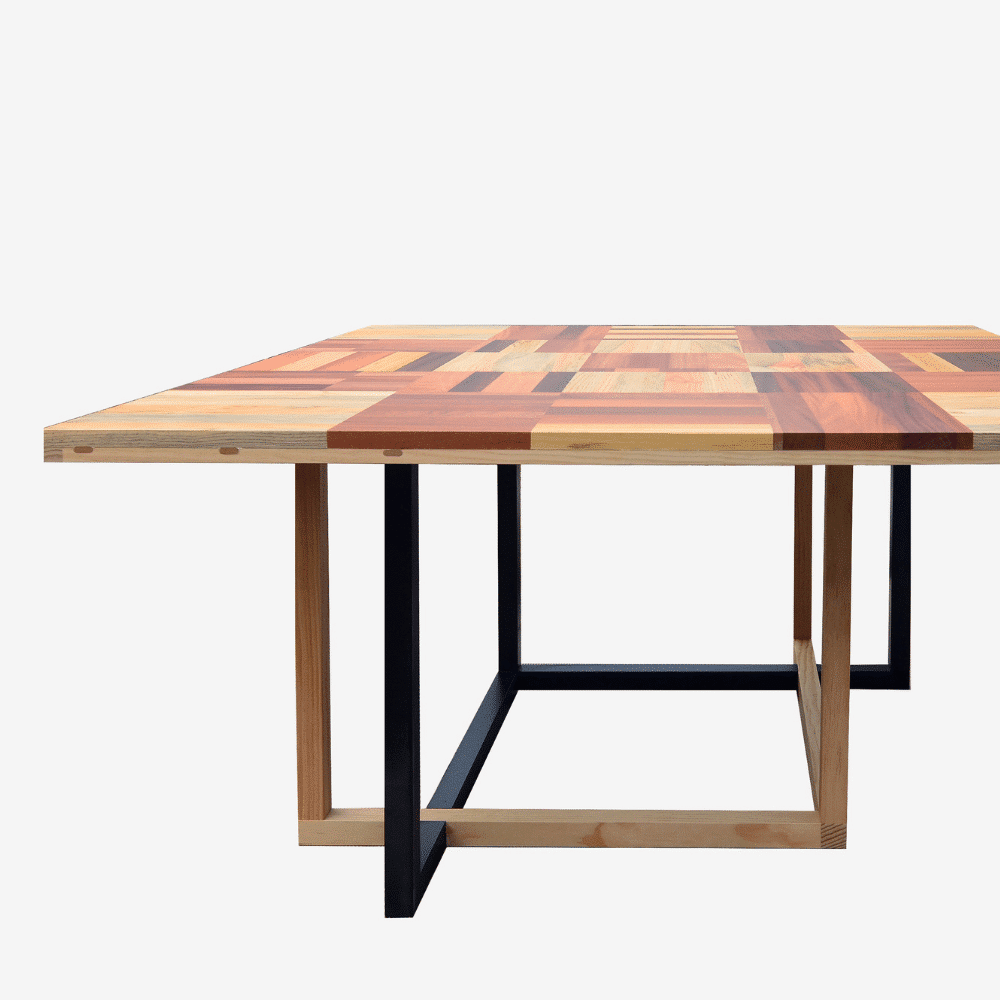
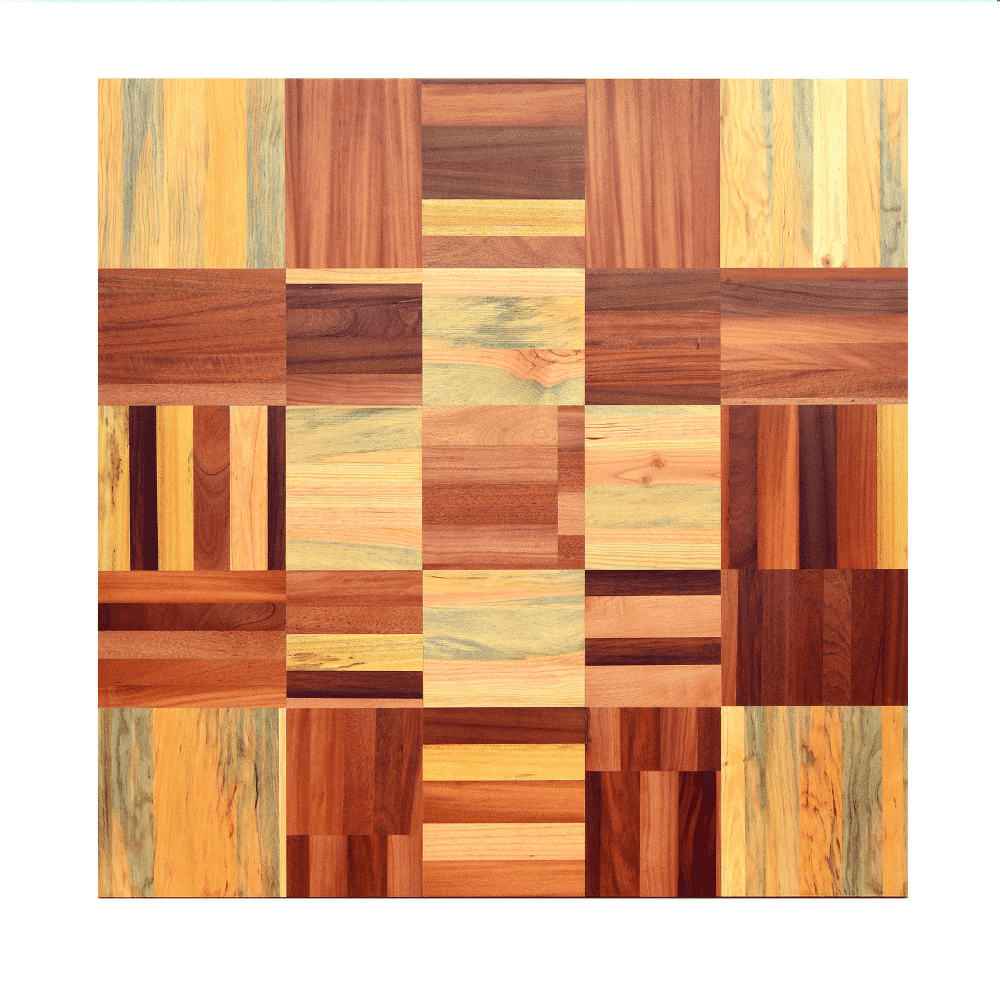
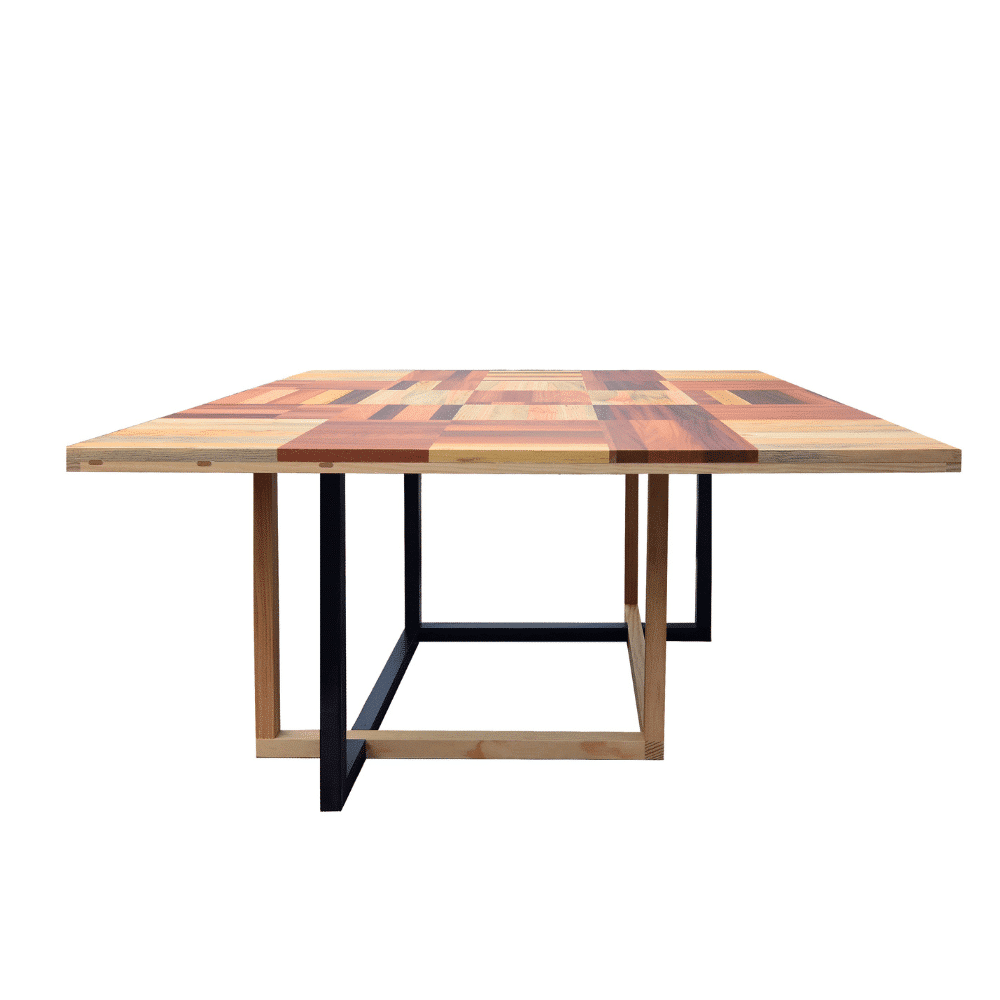
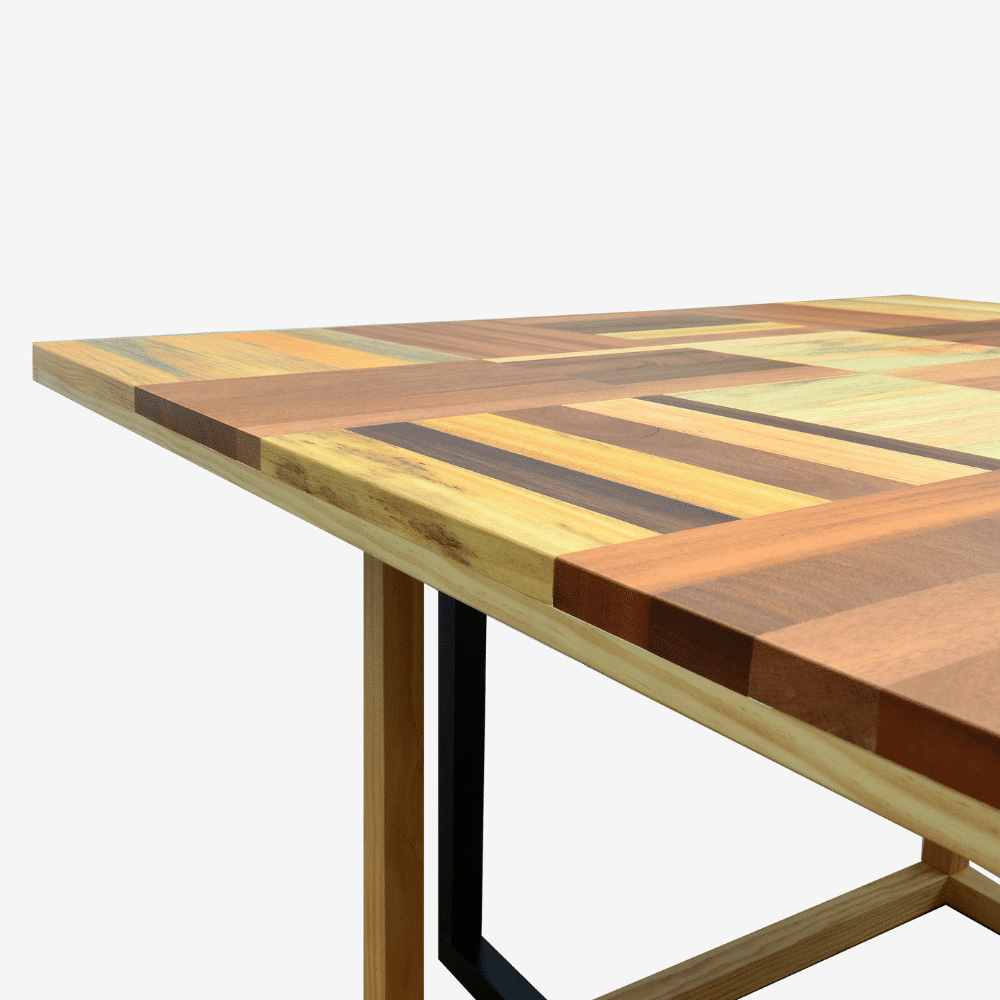
The design of the Creba dining table arises from the idea of sustainability of the project, trying to take advantage of all available pieces, as well as showing the contrast and the combined beauty of the different woods.
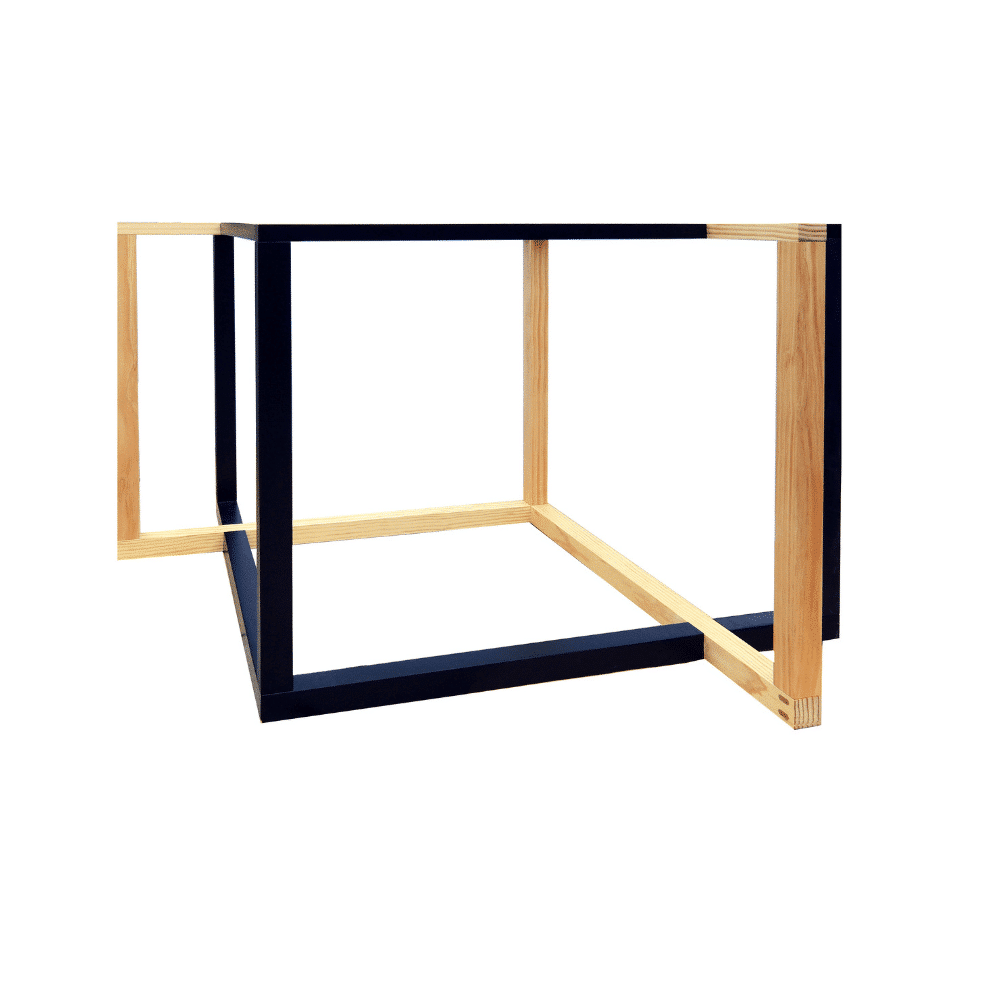
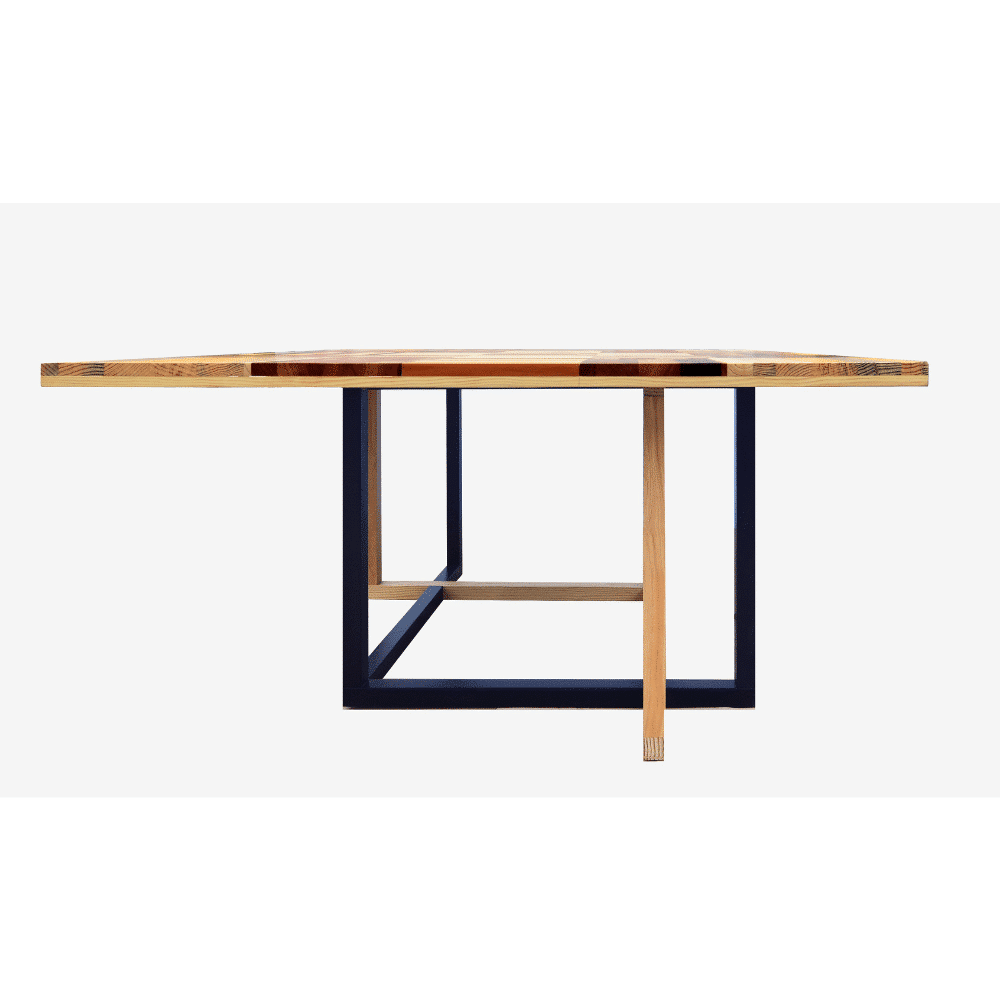
This table is made up of Scraps of various boards of different woods result in a collage of grains and colors. Its perimeter is regular, while its base is formed by a…The support is made up of two parts: a “heavy” leg of solid wood, the same material as the lid, and a lighter one made of lacquered wooden slats, the repetition of which gives the model rigidity. The slats are joined using mortise and tenon joints.
This is a 100% customizable product, both in the type of wood, as well as in the measurements and the type of base.
The available woods are as follows:
GALLEGO PINE / PINUS PINASTERAIT
A medium-sized tree that usually reaches 20 m in height. At first it is straight and free of branches, which appear from two-thirds of its height.
The sapwood is yellowish-white, and the heartwood is reddish-yellow. The annual rings are very visible to the naked eye due to the contrast between the spring and summer zones, giving this wood a characteristic and quite prominent grain.
Its rind is thick, black, cracked with reddish colors, its grain is medium to coarse and its fiber is straight, interrupted as a result of knots and other defects.
AUSTRALIAN ACACIA / ACACIA MELANOXYLION
Of Australian origin, it is a fast-growing tree with dark-colored branches that are angular and covered with fine, soft hairs.
It is a tree within the acacia species with the longest lifespan and which forms a super resistant and very durable wood.
Its wood has different pigments that make it dark, it can reach 15 to 40 meters in height and its color is something like grayish green, with a slightly rough appearance and has longitudinal grooves.
The wood of the acacia melanoxylon or black acacia tends to be of variable colors and can be medium brown or reddish gold; we can also find colored bands in the growth rings, and it is not uncommon to find acacia melanoxylon wood with colored, ribbon-like stripes.
It has interesting characteristics such as a very dark brown color and a beautiful veining.
PORTUGAL CYPRESS / CUPRESSUS LUSITANICA
The name C. Lusitanica or Portuguese Cypress comes from a clone, it is not known whether it originated in India or Mexico, cultivated in Portugal around 1634, in the monastery of Buçaco, near Coimbra; these trees were already around 130 years old when the species was botanically described by Miller in 1768.
It has a straight trunk 1.5 to 2m in diameter, reddish-brown bark in young specimens and grayish-white in centuries-old specimens.
Cypress wood is a quality wood, with beautiful tones and grain, semi-hard and durable.
Its color varies from pale yellow to brown heartwood, while its sapwood is lighter. Its grain is straight, although irregular depending on the number of knots.
The base can be constructed from materials such as:
- Welded iron
- Sheet Metal
- Glass
Short Description
The design of the Creba dining table stems from the project’s commitment to sustainability, aiming to utilize all available pieces while showcasing the contrast and combined beauty of different woods. This table is composed of scraps from various boards of different woods, resulting in a collage of grains and colors. Its perimeter is regular, while its base consists of a support made up of two parts: a “heavy” leg of solid wood, the same material as the tabletop, and a lighter one made of lacquered wooden slats, the repetition of which provides structural support. The slats are joined using mortise and tenon joints. This is a 100% customizable product , allowing for customization of the wood type, dimensions, and base.