Categories
Country of origin
Product's main material
Secondary product material
Made-to-measure
Main product color
Finishes
Height
Width
Socket type
Secondary color
Accessories
Diameter
Design
Shape
Length
Measures
Model
Material
Weight
Positions
Assembly required
Upholstered
Production time
Units

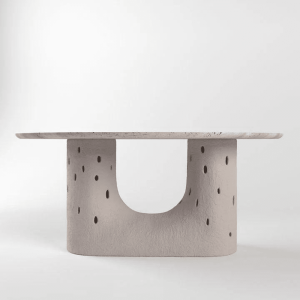
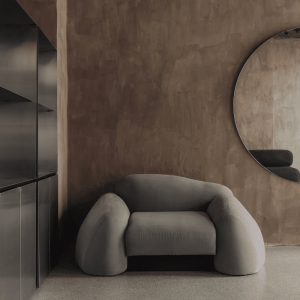
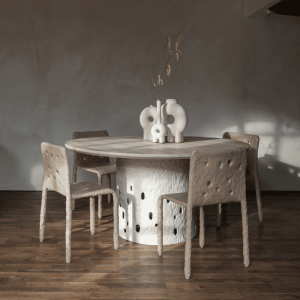
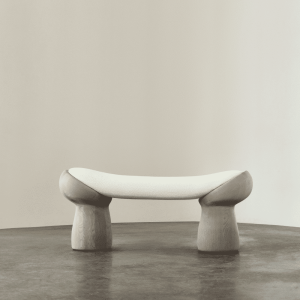
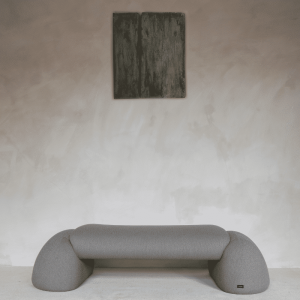
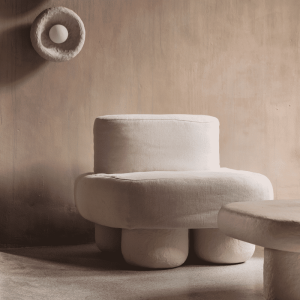
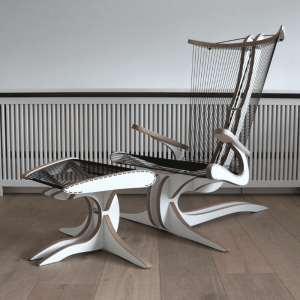


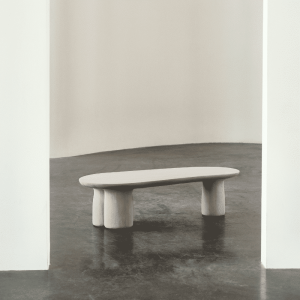

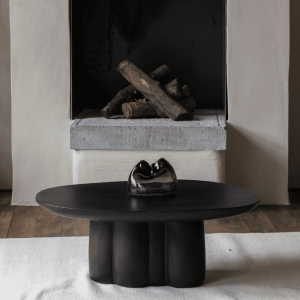
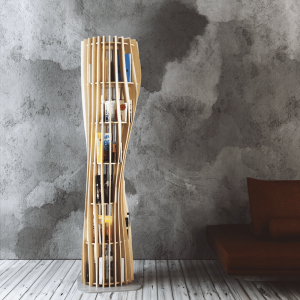
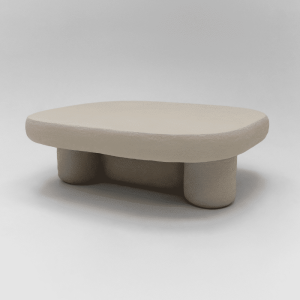
Sustainable furniture: a conscious option to decorate your home
The Sustainable furniture They have become an increasingly popular option for decorating the home. These furniture are made of environmentally friendly materials, such as certified wood, ceramics and other innovative materials.
In addition, its design and production are carried out consciously, minimizing the environmental impact. Through recognized certifications, its commitment to sustainability is supported. Acquiring sustainable furniture is a way to contribute to the care of the planet and enjoy a more responsible home.
Sustainable materials for furniture manufacturing
In the furniture industry, it is increasingly important to use materials that are sustainable and respectful with the environment. The responsible use of wood, the use of innovative sustainable materials and the choice of ceramics as an ecological option are some of the alternatives that are being adopted to make furniture consciously.
Responsible use of wood in sustainable furniture
The wood It is one of the most used materials in the manufacture of furniture, and its choice responsibly is essential to guarantee sustainability. For this, it is important to choose Certified wood from sustainable sources, such as those from forests managed responsibly and with reforestation practices.
In addition, techniques for the use of wood have been developed, such as the use of recycled wood or reforestation. These practices make it possible to reduce the indiscriminate felling of trees and promote a responsible use of natural resources.
Innovative Sustainable Materials in the Furniture Industry
In search of more sustainable alternatives, the furniture industry has also incorporated innovative materials into its manufacturing processes. This includes the use of materials such as recycled cardboard, which allows the creation of resistant and functional furniture, in addition to being Biodegradable and recyclable.
Another increasingly used option is Recycled plastics, which are obtained from plastic bottles or other recycled products. This material, when properly used, can have a long shelf life and reduce the environmental impact of the furniture industry.
Ceramics as an eco-friendly option for furniture
Ceramic is a material that has traditionally been used in the manufacture of tiles and tiles, but its use in the creation of sustainable furniture is increasingly being explored. This material offers numerous advantages, such as its durability, resistance to the passage of time and easy maintenance.
Ceramics are also It stands out for its sustainability, since it is a natural material and Does not emit toxic substances during its production. In addition, it is recyclable and can be reused in the manufacture of new furniture, thus promoting the circular economy.
Furniture Sustainability Certifications
Sustainability certifications in the furniture industry are a guarantee that the products meet the established environmental and social standards. These certifications provide greater confidence to consumers when it comes to choosing sustainable furniture for their homes.
PEFC: Guarantee of sustainable origin in wood
One of the most recognized certifications in the furniture industry is the Forest Certification Systems Recognition Program (PEFC). this certification Ensures that the wood used in furniture comes from sustainably managed forests, respecting established environmental, social and economic standards.
Other sustainable certifications in the furniture industry
FSC: The Forest Administration Council (FSC) is another widely recognized certification in the furniture industry. Similar to PEFC, FSC ensures responsible and sustainable forest management, promoting the conservation of forest ecosystems and the well-being of local communities.
Cradle to Cradle: This certification focuses on waste reduction and reuse of materials in the furniture life cycle. With this certification, manufacturers demonstrate their commitment to the circular economy and sustainability.
Breeam: It is a certification that evaluates the sustainability of the buildings and, therefore, of the furniture used in them. The objective is to minimize the environmental impact of buildings in all their phases, from design to construction and operation.
These certifications ensure that the furniture meets high sustainability standards, from the choice of materials to the manufacturing and distribution process.
By opting for certified furniture, consumers contribute to environmental protection and support responsible practices in the furniture industry.
At Ekohunters we have also created Our own EKO stamp where you can check our assessment taking into account certain sustainability standards.
Conscious design and production in sustainable furniture
The Design and Conscious Production They are fundamental aspects in the creation of sustainable furniture, since they seek to minimize environmental impact and maximize efficiency in the manufacturing process.
Below are environmental considerations in the furniture manufacturing process and innovation in design, which make possible the creation of environmentally friendly furniture.
Environmental considerations in the furniture manufacturing process
In the process of manufacturing sustainable furniture, various environmental considerations are taken into account to reduce the negative impact on the environment. Some of these considerations include:
Use of sustainable materials: The use of materials from renewable sources, such as certified wood, is prioritized, avoiding those that come from illegal logging or endangered forests.
Reduction of waste and emissions: Waste management practices are implemented and the aim is to minimize the generation of waste during the manufacturing process. In addition, techniques are used that reduce CO2 emissions associated with the production of furniture.
Responsible energy consumption: The use of renewable energies is promoted and measures are implemented to reduce energy consumption, such as optimization of lighting and the incorporation of efficient systems in production processes.
Innovation in sustainable furniture design
Innovation in the design of sustainable furniture plays a key role in creating products that are aesthetically attractive and at the same time respectful of the environment. Some outstanding practices in this area are:
Use of alternative materials: Innovative and sustainable materials are sought, such as recycled plastics, organic fabrics or biodegradable composite materials, which allow to reduce the environmental impact without compromising the quality and durability of the product.
Modular and functional design: The versatility and adaptability of the furniture is prioritized, facilitating its reuse and prolonging its useful life. Modular designs allow you to modify and combine different elements according to the changing needs of the user.
Movement towards the circular economy: The design of furniture that can be easily disassembled and recycled at the end of its useful life is encouraged, thus preventing them from becoming unusable waste.
Benefits of sustainable furniture for the environment
Reduction of the environmental impact on the production of furniture
Sustainable furniture offers various benefits for the environment, especially with regard to reducing the environmental impact during its production. Here are some notable advantages:
Responsible use of natural resources: Sustainable furniture manufacturers are committed to using materials from renewable and sustainable sources, such as wood certified by organizations such as PEFC. This implies responsible management of forests and contributes to the conservation of biodiversity.
Reduction of carbon emissions: Sustainable furniture production focuses on minimizing greenhouse gas emissions. To achieve this, more efficient manufacturing technologies and processes are used and the use of materials and techniques that generate high levels of pollutants is avoided.
Reduction of waste and waste: Sustainable furniture manufacturers try to minimize waste generation during the production process. In addition, they efficiently take advantage of the materials and can resort to the circular economy, reusing waste and preventing them from becoming garbage.
Contribution to the circular economy and sustainability
In addition to reducing environmental impact, sustainable furniture also contributes to the circular economy and promotes sustainability in several aspects:
lifespan: Sustainable furniture is designed to be durable and withstand the passage of time. This allows them to be used for a longer time and avoids the need to replace them frequently, thus reducing the generation of waste.
Promotion of fair trade: Many sustainable furniture brands are committed to ethical and fair business practices, ensuring adequate working conditions for workers and paying fair prices to suppliers of raw materials. This contributes to the sustainable development and well-being of the communities involved in the production of furniture.
Revaluation of materials and products: Sustainable furniture can include recycled or reused materials, as well as designs that allow you to easily disassemble and repair damaged elements. This facilitates the revaluation of materials and products, reducing the need to produce new objects and reducing the amount of waste generated.
Choice of sustainable furniture for your home
When purchasing sustainable furniture, it is important to take into account several aspects that ensure its good quality and sustainability. Below are some tips to help you choose environmentally responsible furniture.
Tips for buying sustainable furniture
Research and choose recognized brands for its commitment to sustainability. Verify that they have certifications that support their responsible production.
Opt for Furniture made from sustainable materials, such as certified wood, ceramics or recycled cardboard. These materials minimize the environmental impact and encourage the circular economy.
Consider durability of the furniture. Look for those that are designed to withstand the passage of time and frequent use, thus avoiding the constant generation of waste.
Evaluate the origin of the materials. It gives preference to those from sustainable and renewable sources, avoiding the indiscriminate felling of trees and the depletion of natural resources.
Analyze the furniture manufacturing process. Look for brands that minimize the consumption of energy and water, as well as the emission of polluting gases during its production.
Consider recycling and reuse. Opt for furniture that can be easily disassembled at the end of its useful life, thus facilitating its recycling or reuse in new products.